
What’s a drabble?
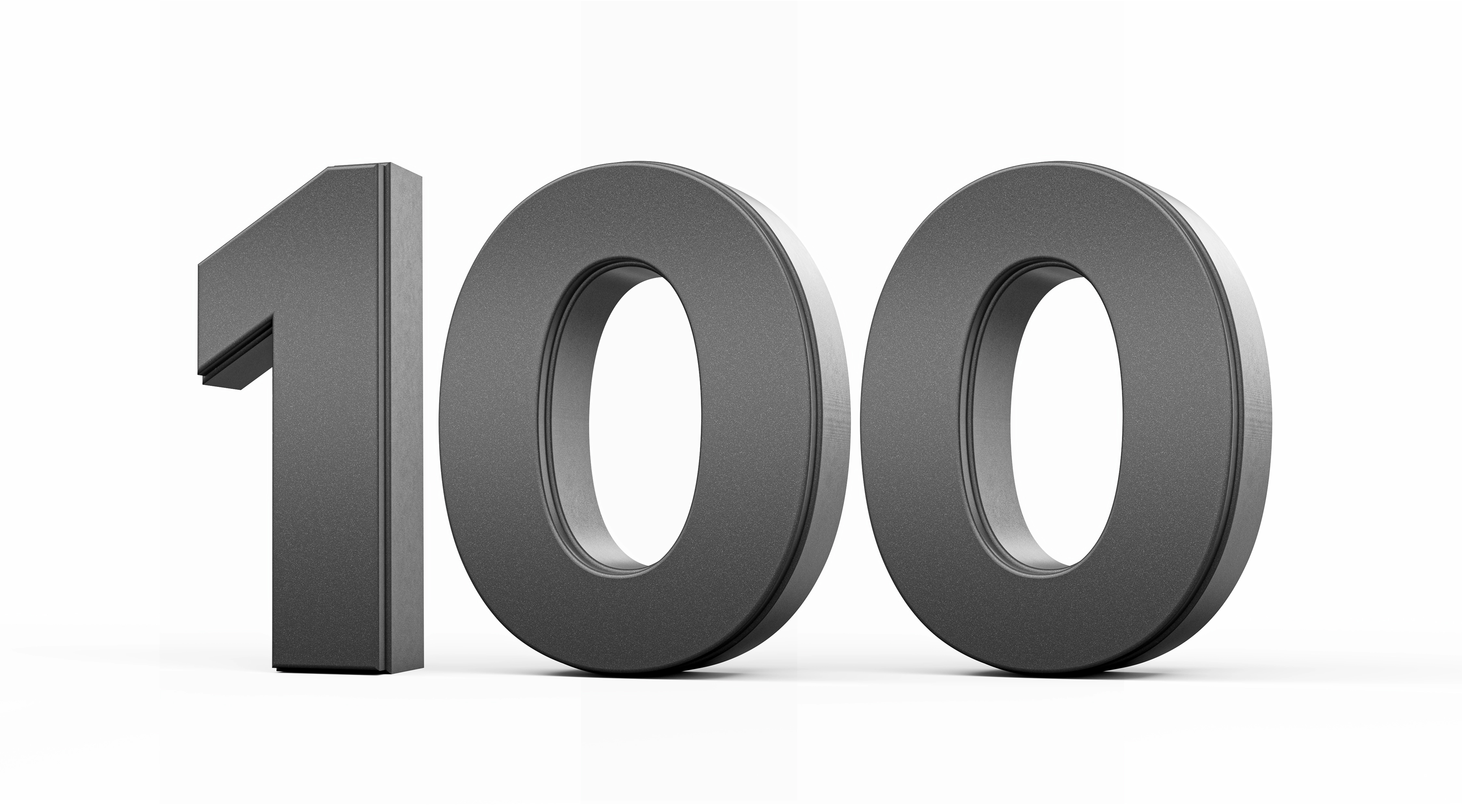
A drabble is a micro-fiction story consisting of exactly 100 words, a form designed to challenge and refine an author’s skill in brevity and focus. The drabble’s origin traces to British science fiction fandom in the 1980s, when the Birmingham University SF Society adapted a satirical writing game from Monty Python’s 1971 “Big Red Book.” The original game asked players to write a novel, but for practical competition, the society fixed the length at 100 words—a concise yet complete format.
The first published drabble anthology appeared in 1988, featuring short stories by notable writers such as Terry Pratchett and Isaac Asimov. Since then, drabbles have become an established niche within flash fiction, a broader category encompassing stories up to 1,000 words. Today, the term “drabble” is sometimes used loosely to refer to any very short story, but purists insist the definition requires exactly 100 words.
Writing a drabble requires eliminating excess—a task that pushes authors to distill plot, character, and emotion into their most essential forms. This strict discipline enables creative freedom within constraint, often resulting in stories that are evocative, surprising, and memorable. Many literary journals and online communities celebrate drabbles for their accessibility and the challenge they present—stories with a beginning, middle, and end, all within a single, tight paragraph.
Stay tuned as I give drabble-writing a try. I hope I’m up to the task.